
Tenerife! awakens emotions
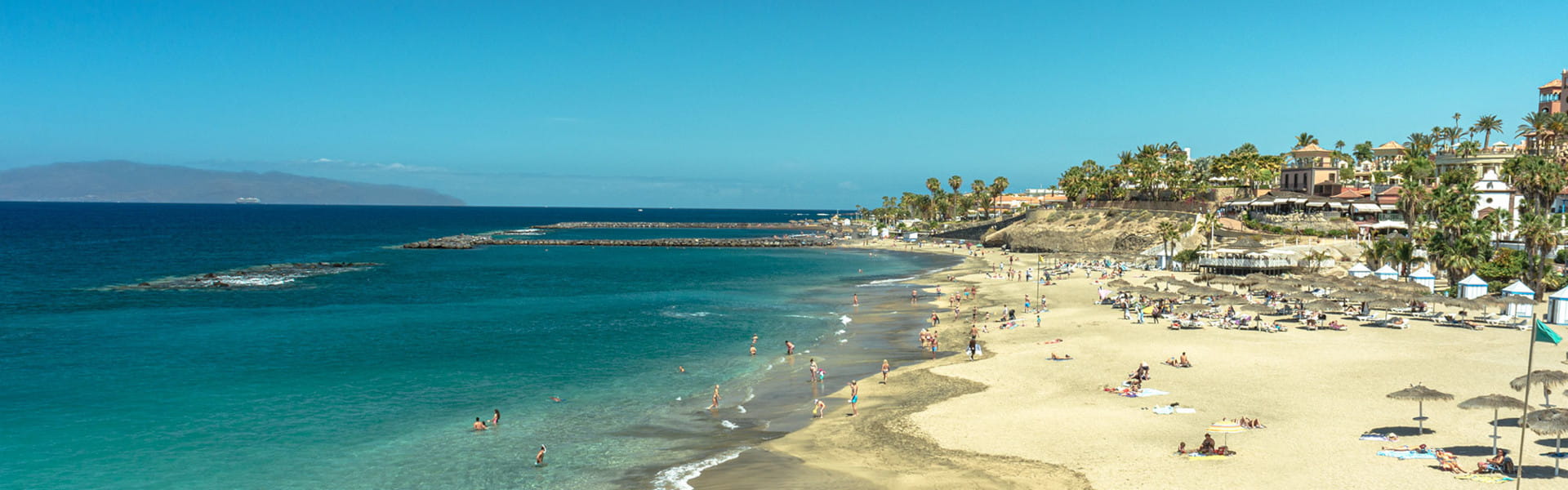
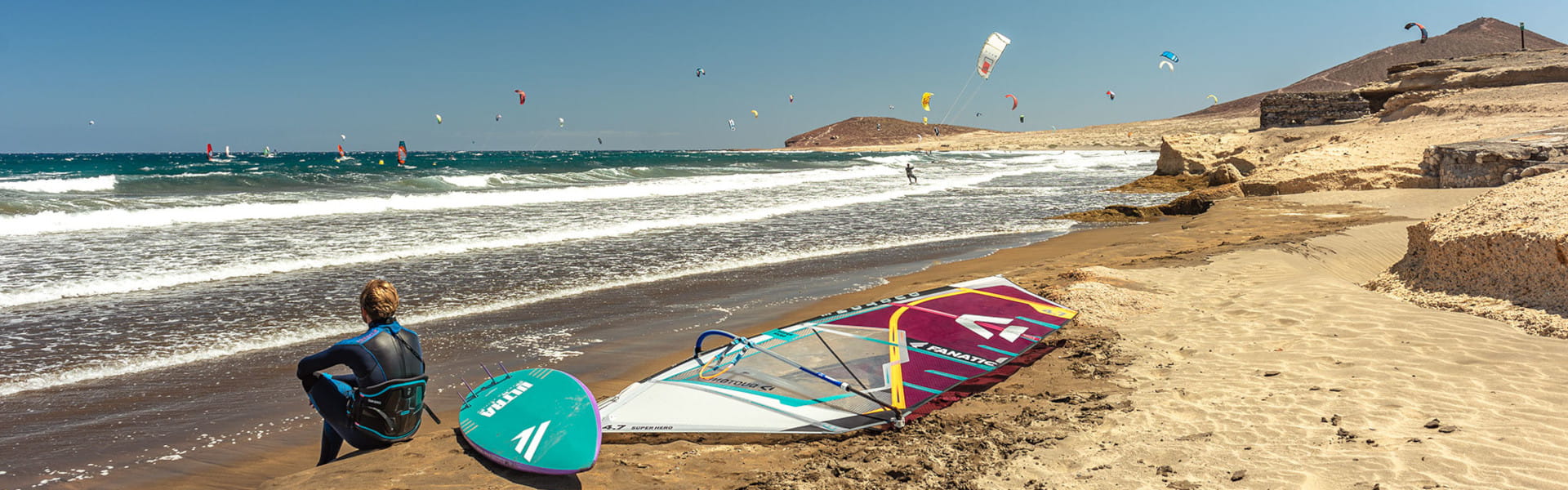
Welcome to Tenerife, where the temperature stays around 22ºC throughout the year. Discover the colours, flavours, and volcanic essence of our island.




Upcoming events




Blog


Must-visit places in Tenerife
See moreFind the perfect place to stay
The island has accommodation to suit all tastes. Hotels and resorts where you'll want to stay forever. Or picturesque rural establishments with everything you need for it to feel like home.


We answer to your frequently asked questions
Everything you need to know before travelling to Tenerife
When is the best time to visit Tenerife?
Tenerife can be visited throughout the year thanks to its mild and stable climate, with an average annual temperature of around 22 °C. There is no bad time to come to the island, although each season offers a different experience. Between October and May, temperatures are particularly pleasant for hiking, exploring natural spaces such as the Anaga Rural Park or the Teide National Park, and touring the villages and historic town centres of the island. The landscape is greener and tourist numbers are somewhat lower outside the holiday periods. From June to September, summer brings more heat in the coastal areas and a livelier atmosphere on beaches, leisure areas and outdoor events. It is also the time when the island receives the most visitors. In any case, Tenerife is one of the few destinations where you can enjoy sun and sea practically any month of the year.
What is the climate like in Tenerife throughout the year?
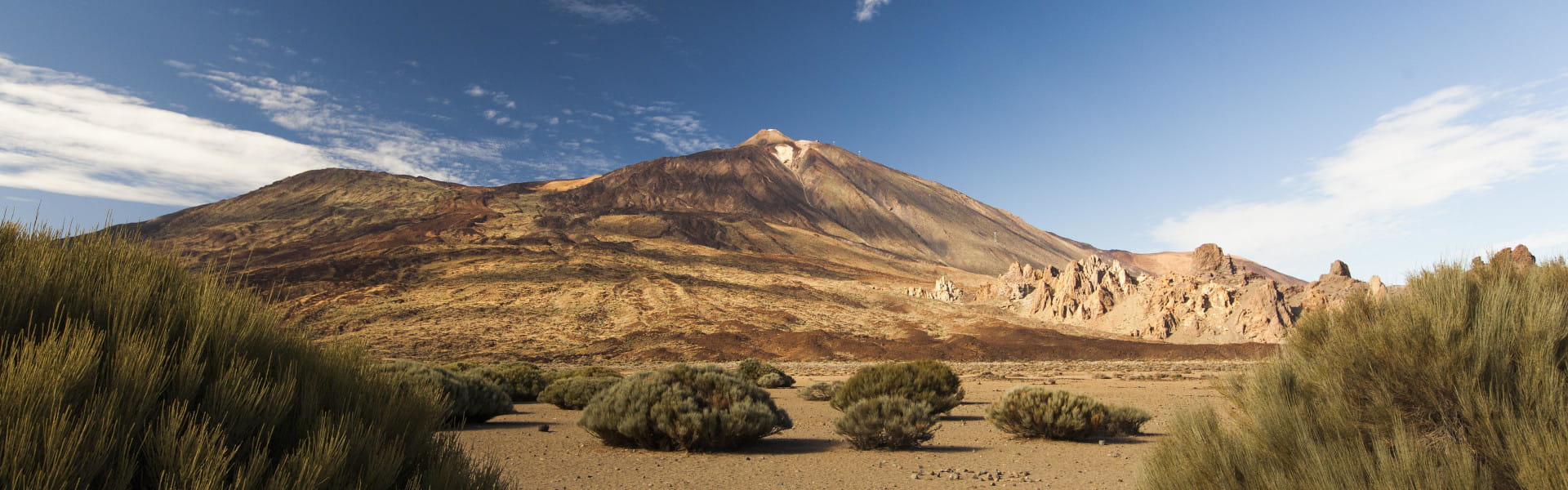
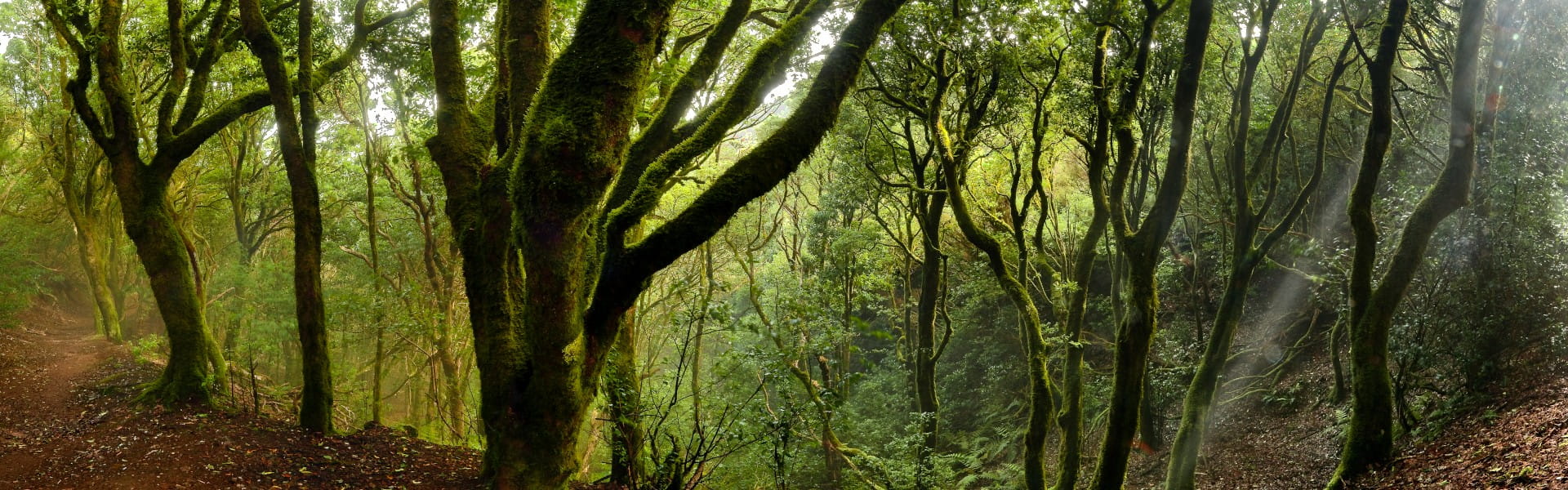
Tenerife's climate is characterised by its mildness and stability throughout the year, with average temperatures ranging between 18 °C in winter and 26 °C in summer in the coastal areas. This temperate climate, influenced by the trade winds and the Atlantic current, is one of the island's main attractions. One of the most striking phenomena is the contrast between the north and the south: the north tends to be more humid and green, with a greater presence of low cloud, whilst the south enjoys more hours of sunshine and a drier atmosphere throughout the year. In the mountain and mid-altitude areas, temperatures are cooler and humidity higher, which favours the existence of laurel forests and landscapes very different from those of the coast. In the area around the Teide, at more than 3,700 metres above sea level, snowfall can even occur in winter. This climatic variety within just a few kilometres is one of Tenerife's most distinctive features and allows you to enjoy very different surroundings and experiences in a single day.
How many days are recommended for visiting Tenerife?
The ideal amount of time to visit Tenerife depends on the type of trip you wish to take, but in general a minimum of five to seven days is recommended in order to get to know the island at a leisurely pace. With a week it is possible to combine the beaches of the south, a trip to the Teide National Park, a visit to a natural space such as the Anaga Rural Park or the Teno Rural Park, and a tour of one of the historic town centres designated as a UNESCO World Heritage Site, such as San Cristóbal de La Laguna. Those with more time available can also explore the villages of the north, the natural rock pools, the more extensive hiking routes, the wineries and local cuisine, or take boat trips to spot cetaceans. For a shorter break of three or four days, the most advisable approach is to focus on one area of the island and visit some of the must-see attractions, leaving the rest for a future trip.
Where is it better to go in Tenerife: north or south?
The answer depends on the type of trip you are looking for, as the north and south of Tenerife offer very different and complementary experiences. The south is home to the island's main tourist areas, such as Costa Adeje, Los Cristianos and Playa de las Américas. It is the area with the most guaranteed hours of sunshine, fine sandy beaches, hotels of every kind, leisure parks and a wide range of dining options and nightlife. It is the most popular choice for those seeking a beach holiday with good weather practically assured. The north has a more local and cultural character. Cities such as La Laguna, designated a UNESCO World Heritage Site, or Puerto de la Cruz offer history, traditional architecture, markets, authentic cuisine and a quieter atmosphere. The landscape is greener and more varied, with greater humidity and lush vegetation, and access to the Anaga Rural Park or the Botanical Garden is very straightforward from this area. For those visiting Tenerife for the first time, the most recommended approach is usually to combine both areas: staying in the south to enjoy the sun and the beach, and dedicating one or two days to exploring the north, the natural spaces and the interior of the island.
How do I get to Tenerife from mainland Spain and from abroad?
The most common way to get to Tenerife is by plane. The island has two international airports that receive direct flights from numerous cities on the Iberian Peninsula, across Europe and from other parts of the world. Flights from Madrid, Barcelona or other Spanish cities take approximately two and a half hours, and there are frequent connections throughout the year with low-cost carriers and conventional airlines. From abroad, Tenerife is well connected to the main European airports, particularly from the United Kingdom, Germany, the Netherlands, Belgium, France and Italy, amongst others. It is also possible to arrive from other islands in the Canary archipelago via short inter-island flights. Another option for those travelling from the mainland is the ferry, with regular crossings from Cádiz and Huelva that carry both passengers and vehicles.
What airports does Tenerife have and which one should I use?
Tenerife has two international airports: Tenerife South Airport (TFS), also known as Reina Sofía, and Tenerife North Airport (TFN), known as Los Rodeos. Tenerife South Airport has the highest international traffic and receives the majority of charter and low-cost flights from Europe. It is located in the south of the island, close to the tourist areas of Costa Adeje, Los Cristianos and Playa de las Américas, making it the most convenient option for those staying in that area. Tenerife North Airport, situated near La Laguna and Santa Cruz de Tenerife, handles mainly inter-island flights and scheduled flights to and from the mainland. It is the best option for those heading to the north of the island or to the capital. When choosing, it is worth bearing in mind your accommodation and the area you plan to visit, as journeys between the north and south of the island can take between 45 minutes and an hour by motorway.
Can I get to Tenerife by ferry?
Yes, it is possible to get to Tenerife by ferry from the Iberian Peninsula. There are regular maritime services connecting the ports of Cádiz and Huelva with the Port of Santa Cruz de Tenerife, with crossings that allow both passengers and vehicles to be transported. The journey time varies depending on the type of vessel, but is usually around 36 to 48 hours. This option is particularly appealing for those who wish to travel with their own vehicle or for those who prefer a more relaxed crossing as part of the experience. From Tenerife it is also possible to travel by ferry to other islands in the Canary archipelago, such as La Gomera, La Palma or El Hierro, with regular departures from the ports of Santa Cruz de Tenerife and Los Cristianos. These inter-island connections are a good way of combining a visit to Tenerife with the exploration of other nearby islands.
Do I need a passport to go to Tenerife?
It depends on your nationality and the country from which you are travelling. For Spanish citizens and those of other European Union countries, Tenerife is Spanish territory, so no passport is required: a valid national identity document is sufficient to enter and travel freely. Citizens of countries not belonging to the EU must travel with a valid passport and, in some cases, with a visa depending on their nationality, as is the case with any other destination within Spanish territory. One aspect worth bearing in mind is that, although Tenerife forms part of Spain, the Canary Islands have a special fiscal status and are outside the EU customs territory. This does not affect entry requirements for travellers, but may be relevant with regard to purchases or import allowances.
Do I need a visa to enter Tenerife?
No, in the majority of cases a visa is not required to visit Tenerife. As part of Spanish territory and therefore of the European Union, Tenerife forms part of the Schengen Area, so citizens of the EU and the European Economic Area may enter freely with a valid identity document or passport. Citizens of other countries must check the entry requirements applicable to their nationality in accordance with current Spanish and European regulations. In general, visitors from many non-EU countries may enter without a visa for tourist stays of up to 90 days within the Schengen Area, although it is advisable to verify this information before travelling. It is worth noting that, although Tenerife forms part of Spain and the EU, the Canary Islands have a special status with regard to fiscal and customs matters: they are excluded from the EU customs territory and the EU VAT area, which may be relevant for certain purchases or imports, although it does not affect entry requirements for travellers.
Is Tenerife a good destination for travelling with children?
Yes, Tenerife is one of the most complete and highly recommended destinations for travelling as a family with children. The island combines a mild climate throughout the year with a wide range of activities designed for all audiences and ages. Amongst the most popular options for younger visitors are leisure parks such as Loro Parque, recognised as one of the best zoological parks in the world, or Siam Park and Aqualand, ideal for enjoying water-based fun. Boat trips to spot whales and dolphins are also usually a very memorable experience for the whole family. In addition, Tenerife has calm beaches with fine sand, natural rock pools with sheltered waters, short and accessible trails in natural spaces, and urban areas with family-friendly services. The good road network and the variety of accommodation with family facilities also make it easy to organise your visit in a comfortable and flexible way.
Is Tenerife an accessible destination for people with reduced mobility?
Tenerife has made significant progress in terms of accessibility and has numerous adapted infrastructures and services for people with reduced mobility or other special needs. Many of the main beaches have adapted access points, amphibious wheelchairs and assisted bathing services during the season. The urban areas of the most tourist-oriented municipalities have accessible paving, ramps and adapted public transport, and several hotels and accommodation options offer rooms and specific services for guests with reduced mobility. With regard to natural and cultural spaces, some trails and viewpoints have adaptations to facilitate access, although the mountainous terrain of certain areas may limit routes in some cases. To plan a visit tailored to specific needs, the Tenerife Destino Accesible portal offers detailed information on adapted resources, services and activities available across the island.
Can I travel to Tenerife with pets?
Yes, it is possible to travel to Tenerife with pets, although it is advisable to plan ahead and be aware of the requirements depending on the means of transport chosen and the origin of the journey. For travelling by plane with a pet, each airline has its own rules regarding the transport of animals, so it is essential to check the specific conditions of the airline beforehand. In general, animals are required to have a microchip, a valid rabies vaccination and up-to-date health documentation. As for the island itself, Tenerife has veterinary services, pet shops and accommodation that welcomes animals, although it is advisable to confirm this when making your booking. It is important to bear in mind that access with pets is restricted on many beaches, protected natural spaces and public areas, so it is recommended that you find out about the specific rules of each location before visiting.