Climbing Mount Teide
Mount Teide National Park
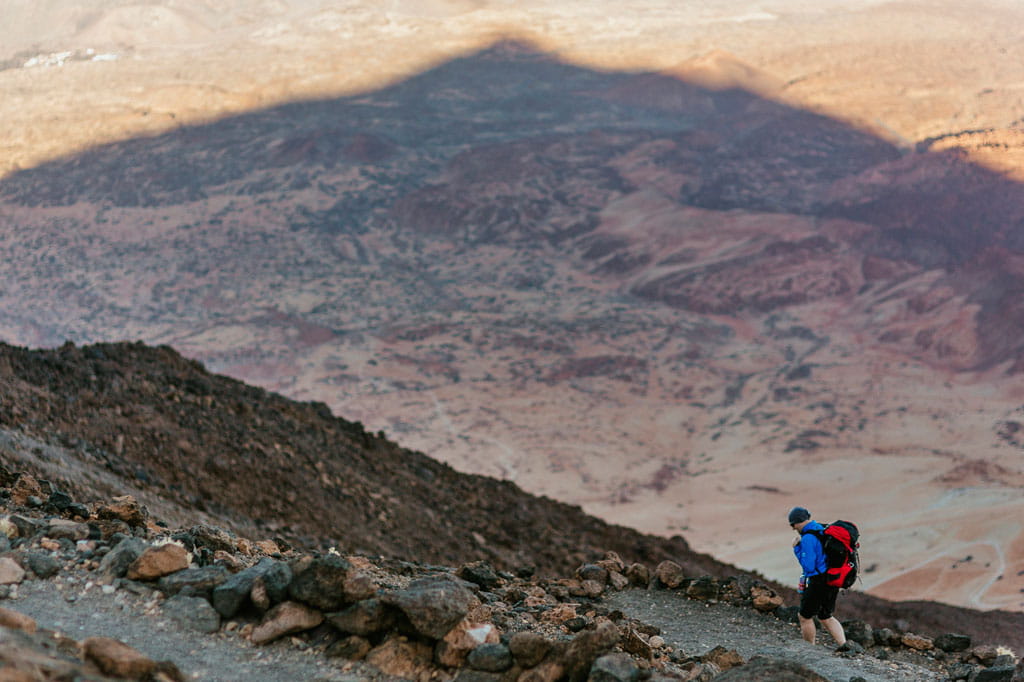
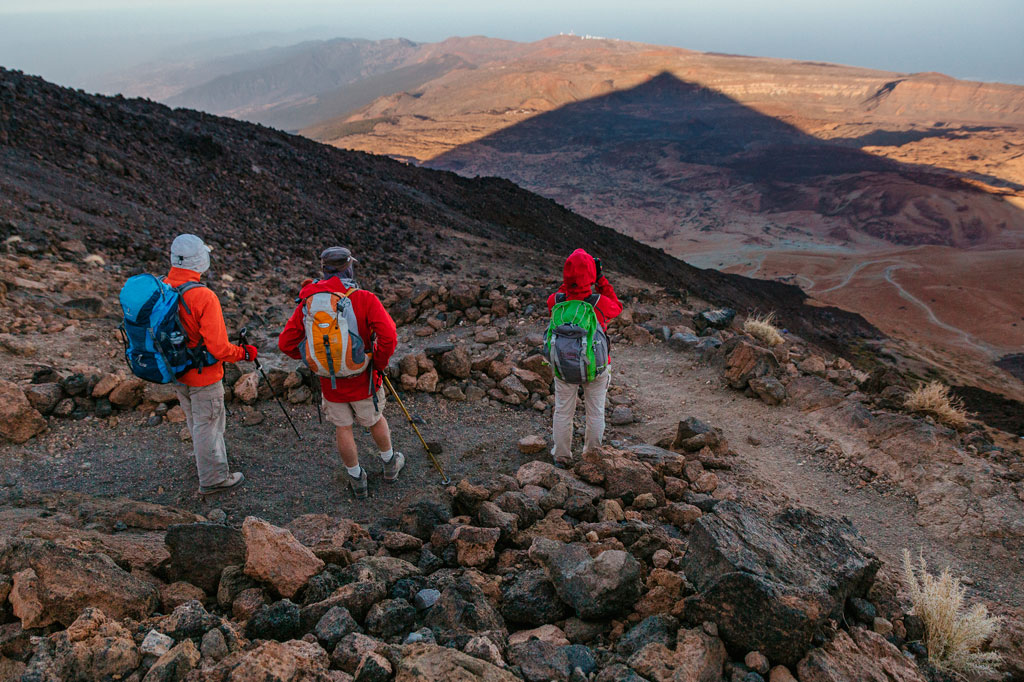
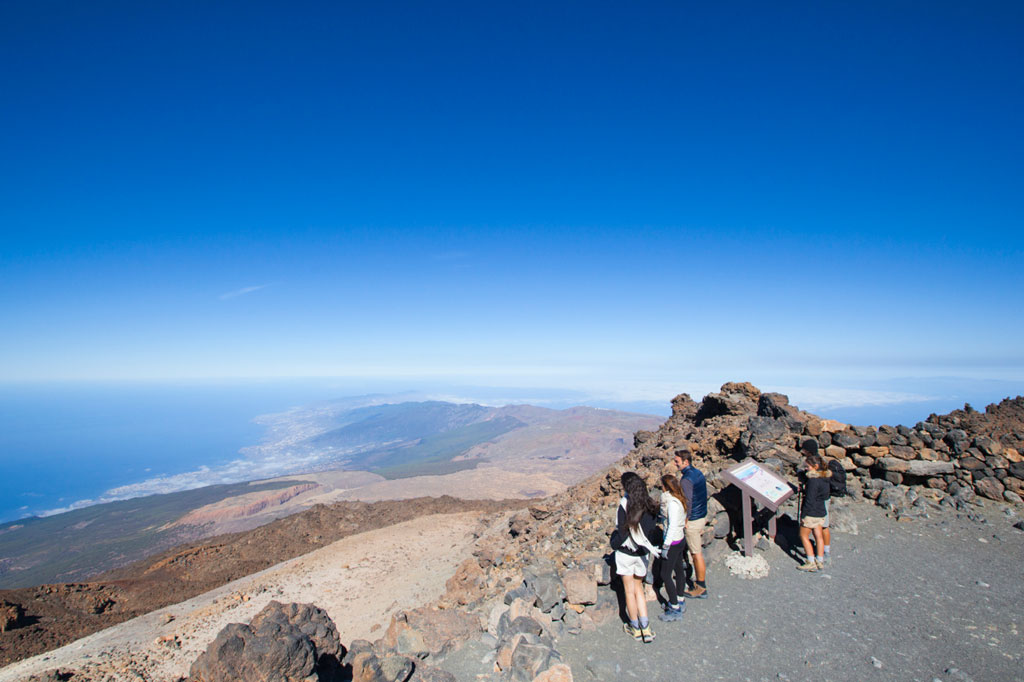
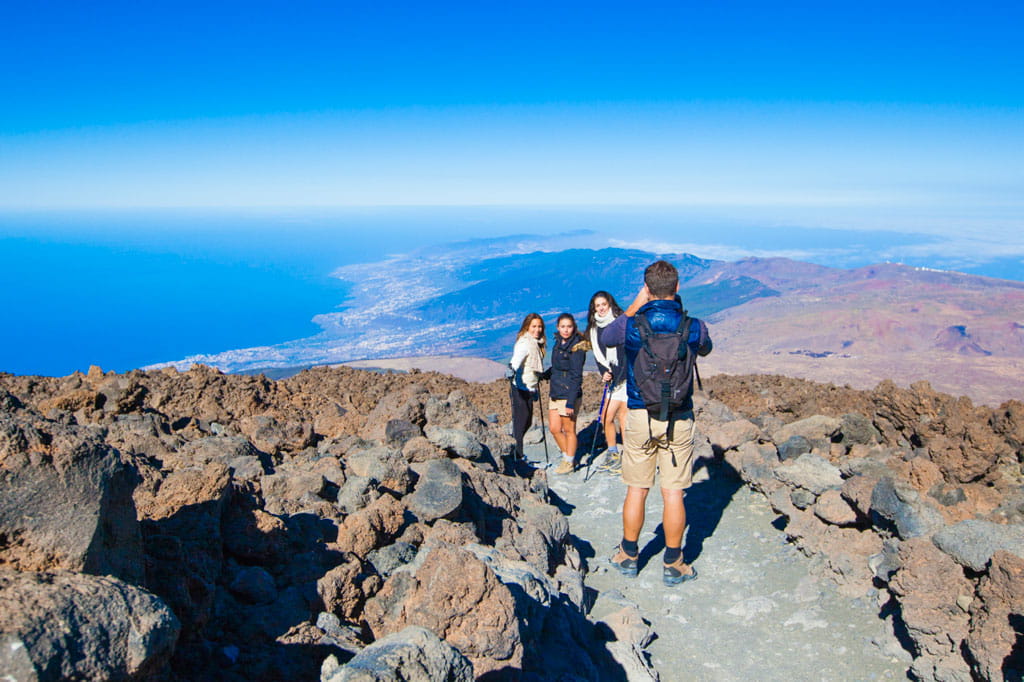
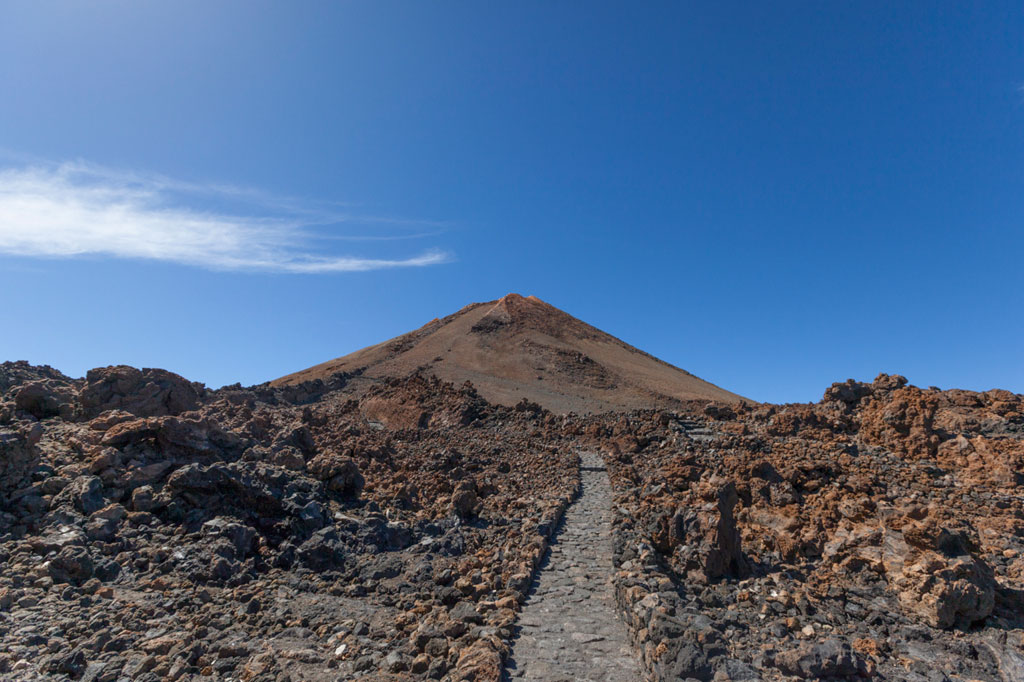
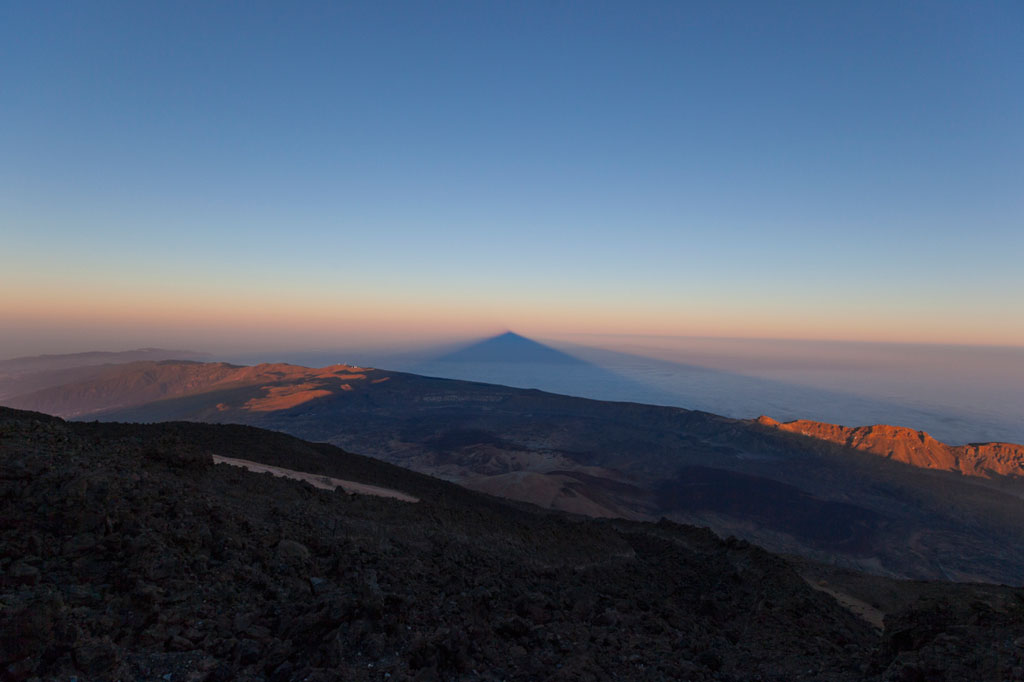
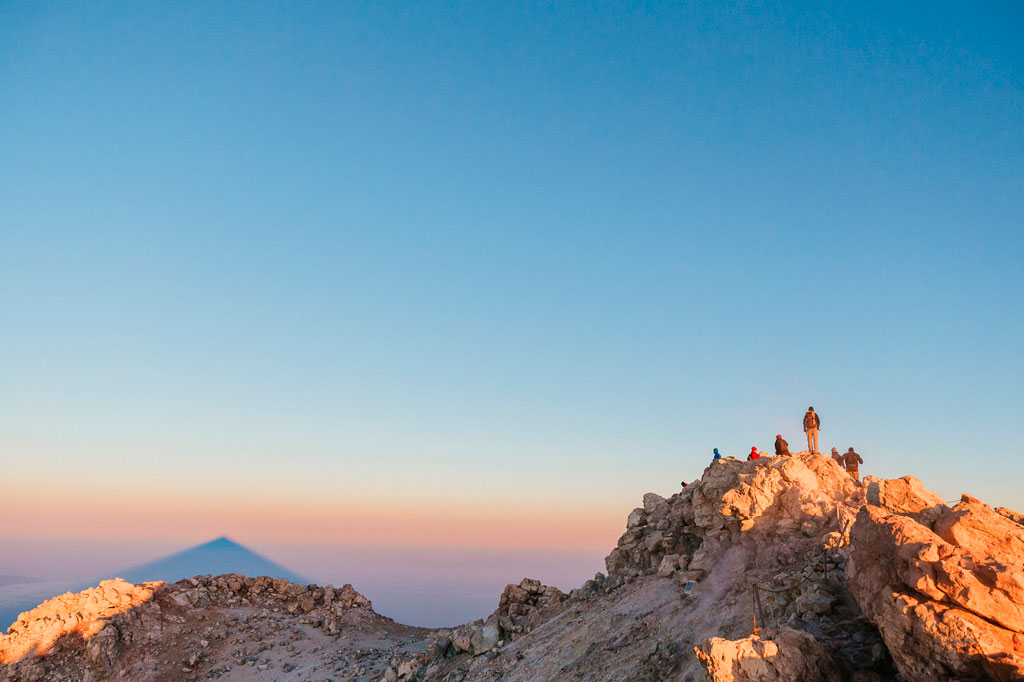
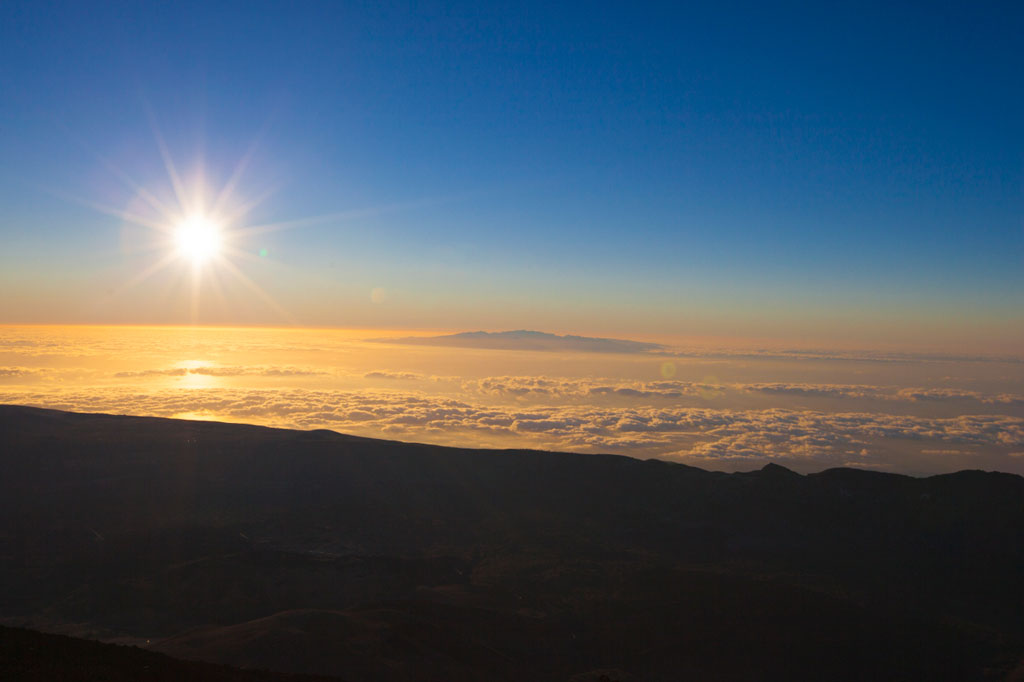
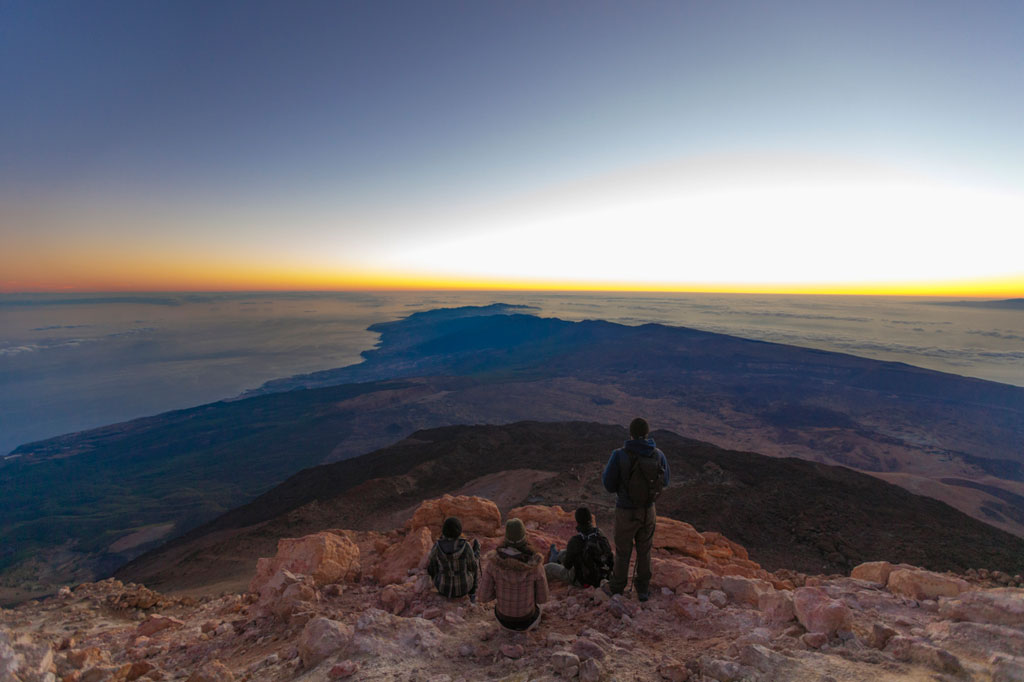
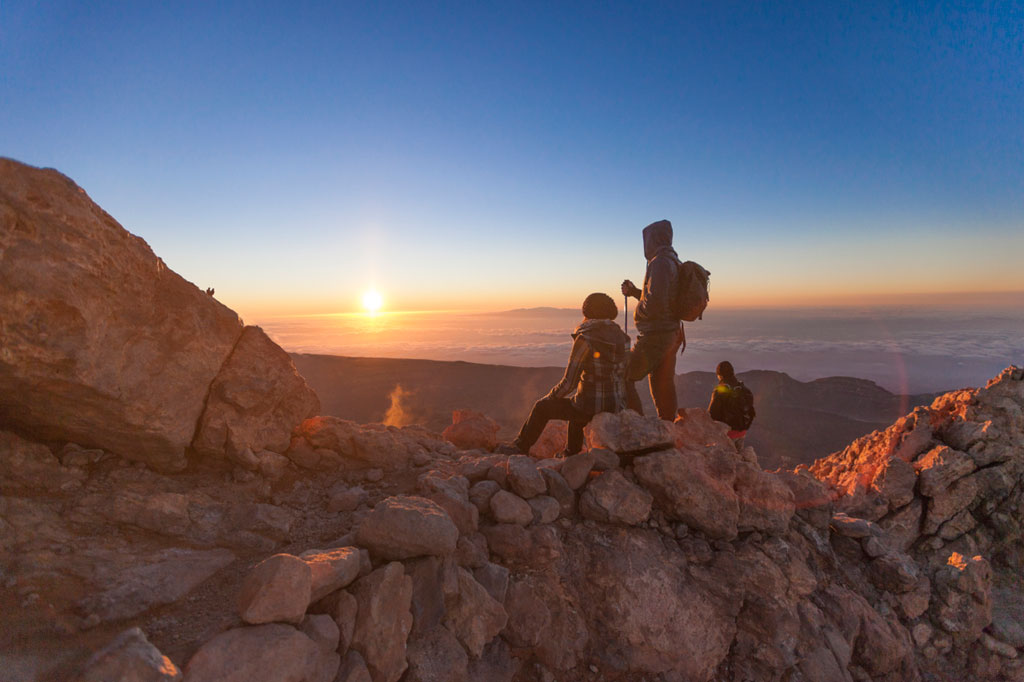
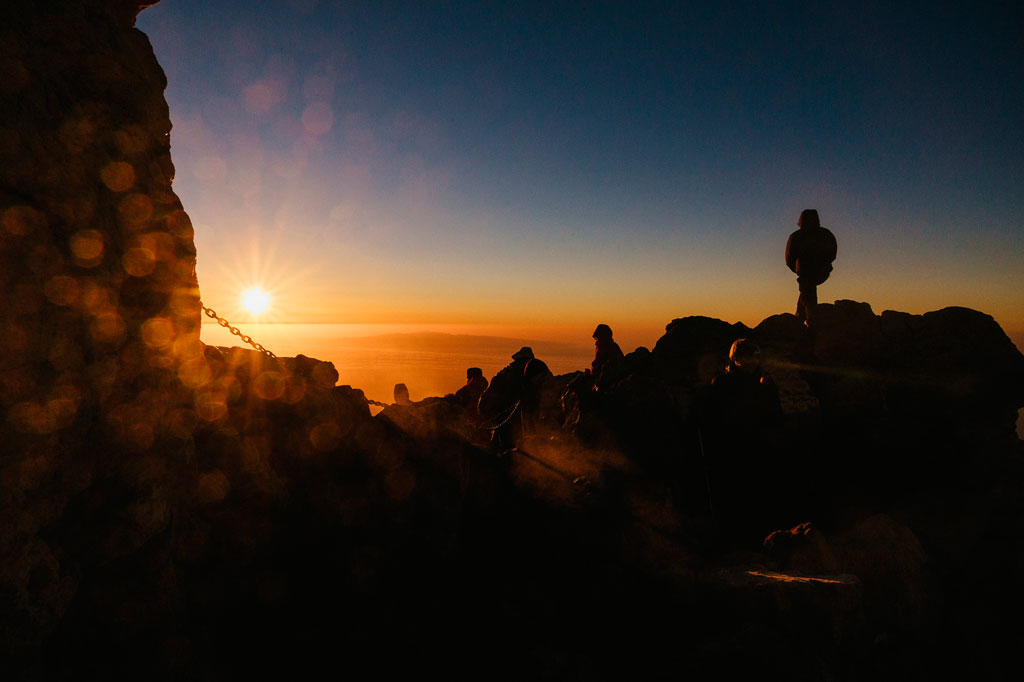
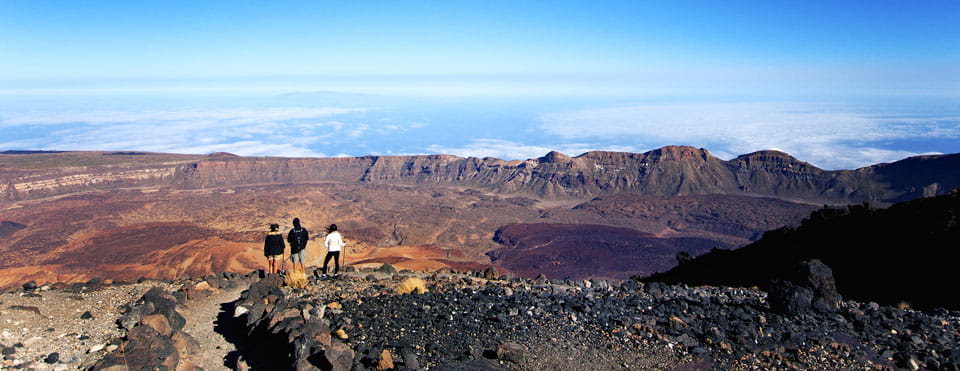
Reaching the summit of Teide is one of the most iconic experiences Tenerife has to offer. At 3,715 metres above sea level, this volcano is the highest point in Spain and one of the principal symbols of Teide National Park. The ascent allows visitors to discover a landscape shaped by volcanic activity and enjoy extensive panoramic views of the island and, on clear days, of other islands in the archipelago.
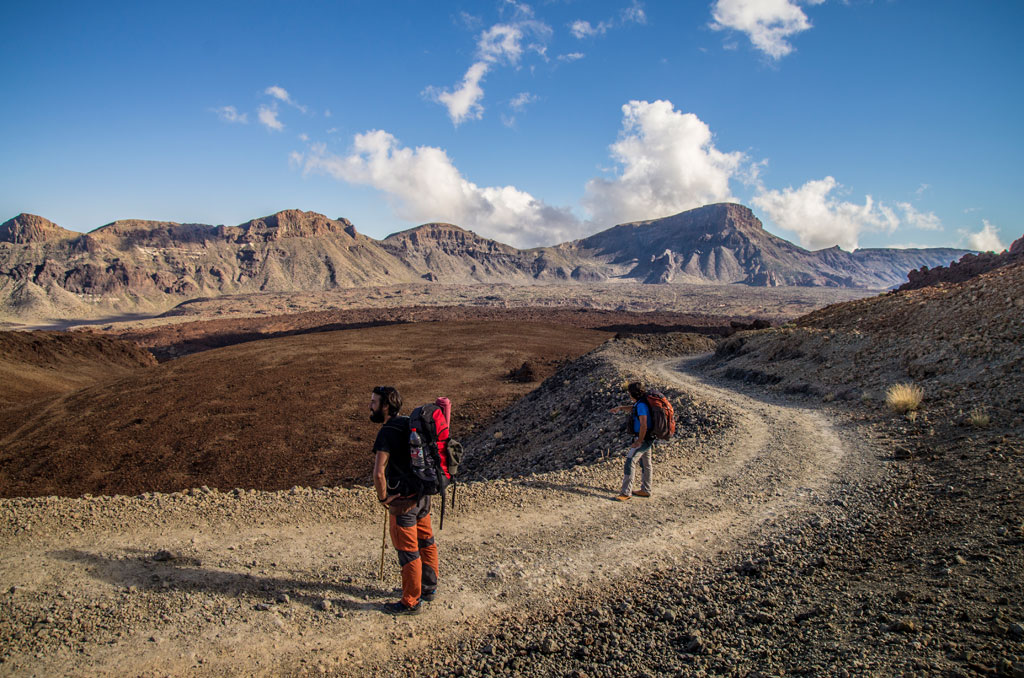
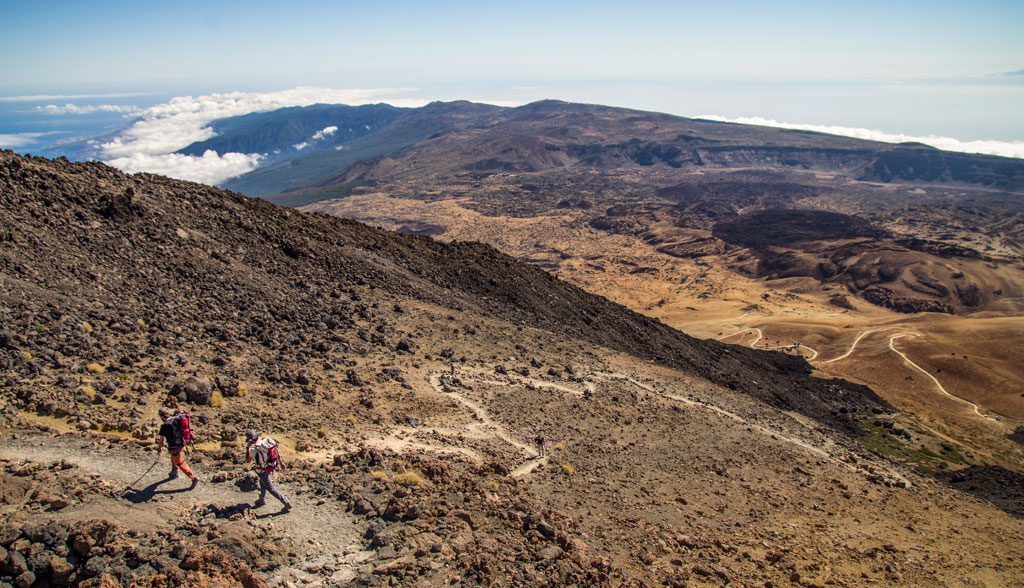
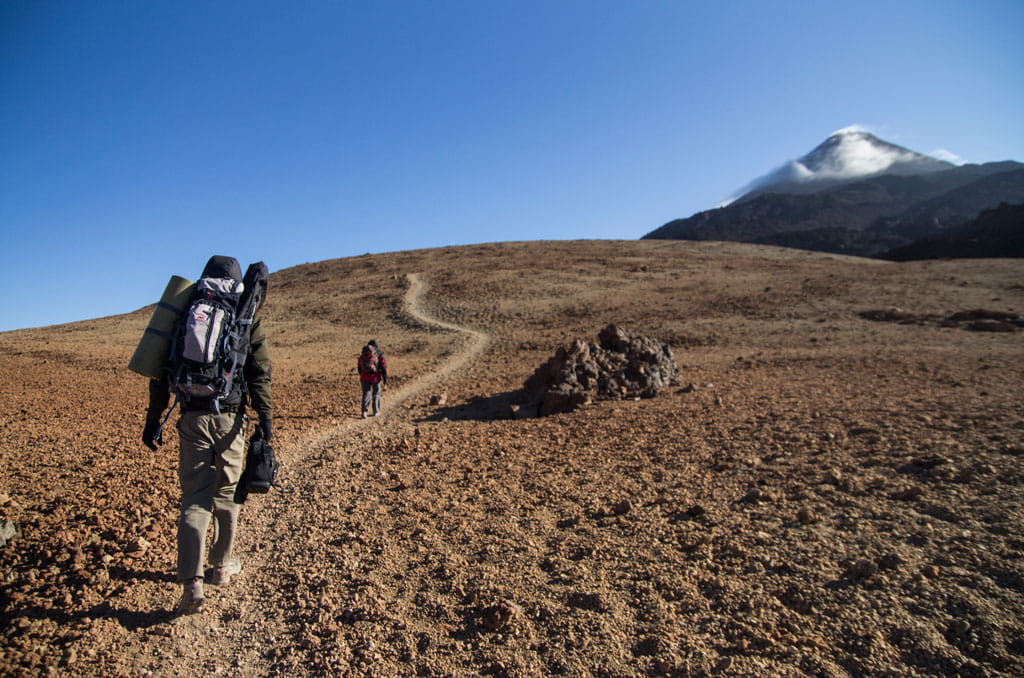
There are different ways to approach the summit. One option is to hike the PNT 07 Montaña Blanca-La Rambleta trail, a linear route of 8.2 kilometres that takes approximately 5 hours and 30 minutes and is considered highly challenging due to its elevation gain and altitude. This trail begins next to the TF-21 road and climbs the slopes of Teide to La Rambleta, passing along the former access path to the peak and the surroundings of Refugio de Altavista. Access requires prior reservation through Tenerife ON and compliance with the established requirements to ensure visitor safety.
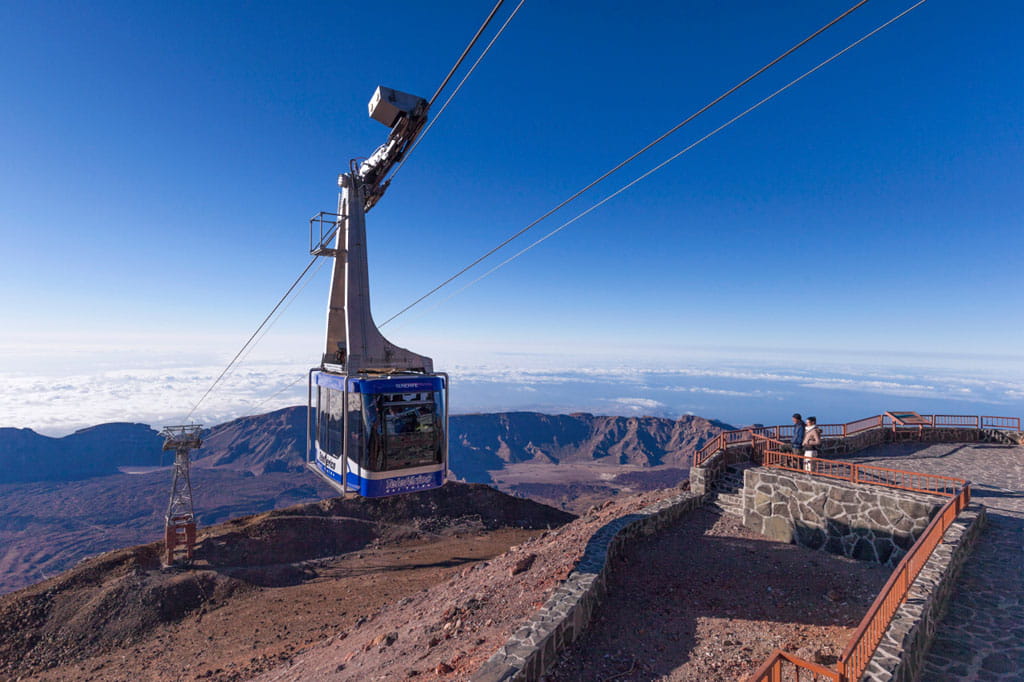
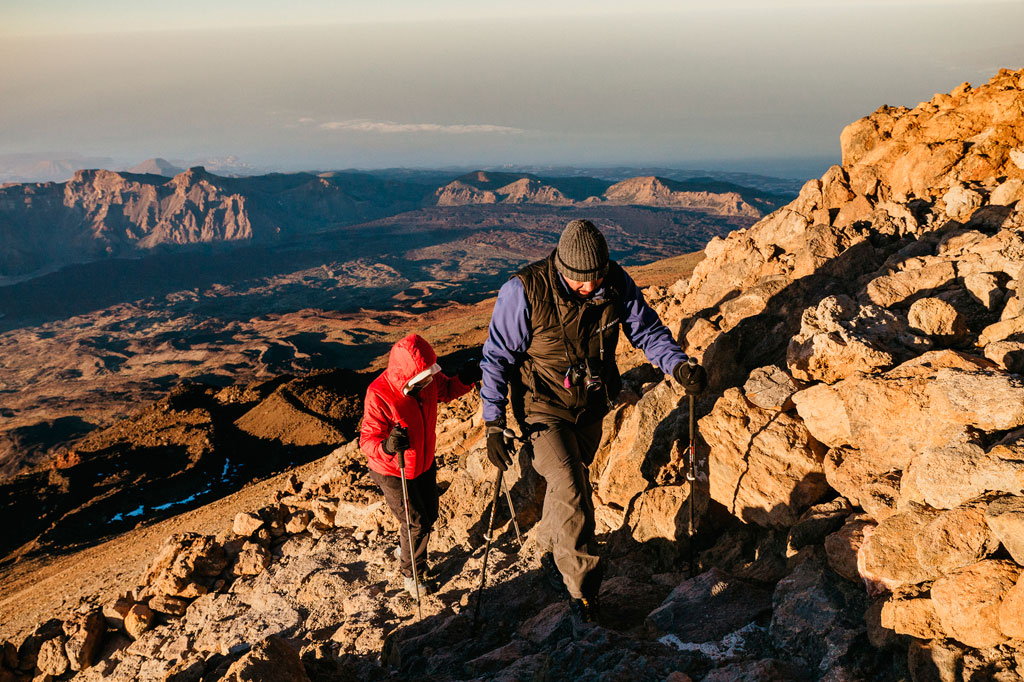
Another option is to use the Teide Cable Car to reach La Rambleta, located at more than 3,500 metres above sea level. From this point, the PNT 10 Telesforo Bravo trail leads to the summit of Teide. Although it is a short route of 0.69 kilometres taking around 45 minutes, it is considered highly challenging due to its steep gradient, with slopes that can reach 60%, and the altitude at which it is located. Access to this trail is restricted and can only be made with a mandatory prior reservation, which must be arranged through Tenerife ON.
It is important to note that the authorisation for the Telesforo Bravo trail is only valid for the day and time slot indicated in the reservation. In addition, the trail access permit is not linked to the operation of the cable car, so it is advisable to check both the status of the facilities and the weather and access conditions in advance.
If you reach the start of the Telesforo Bravo trail on foot instead of using the cable car, it may be necessary to obtain an additional authorisation for the approach trails, such as Montaña Blanca-La Rambleta, Teide-Pico Viejo-Mirador de Las Narices del Teide or the PR TF 41 Playa del Socorro-Pico Teide route. These access routes are regulated and should be checked in advance through Tenerife ON.
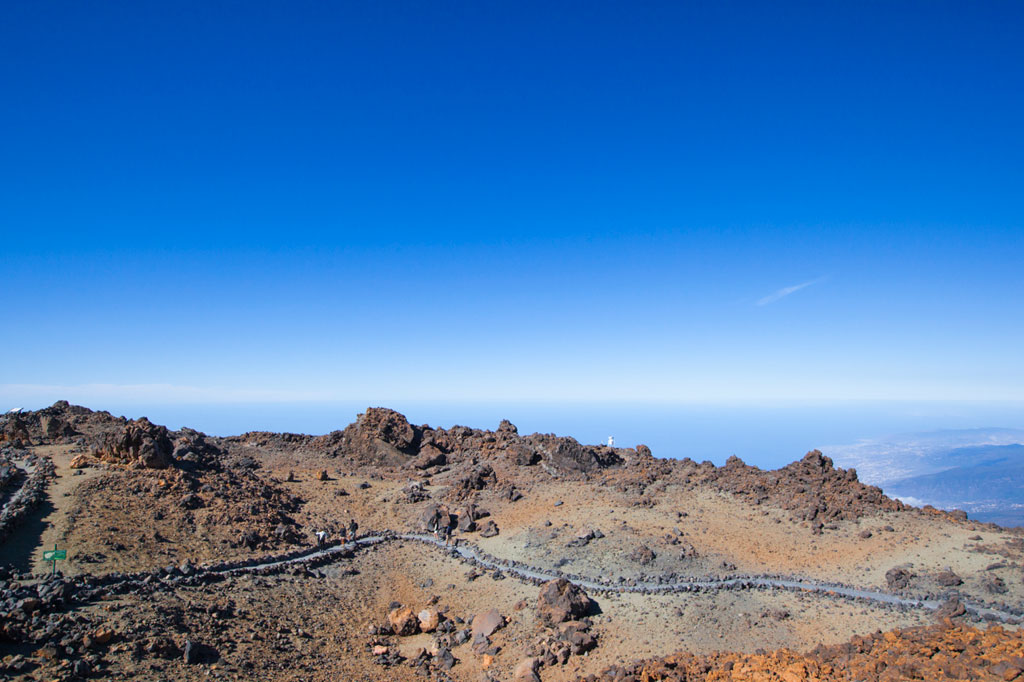
From La Rambleta, other trails that do not lead to the summit can also be explored, allowing visitors to enjoy the high-mountain volcanic landscape. One example is the trail to Mirador de Pico Viejo, which is freely accessible without reservation, takes approximately 30 minutes and offers views of one of the major volcanic formations within the National Park.
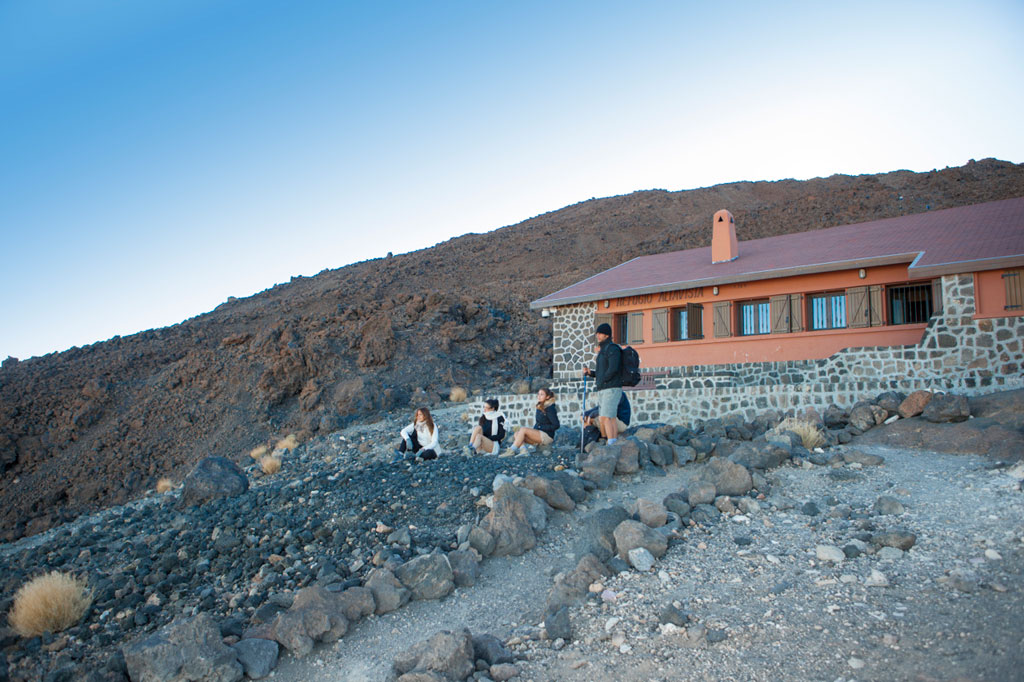
Refugio de Altavista, located at more than 3,200 metres above sea level, is once again part of the Teide ascent experience and has official channels for booking accommodation. Before planning the ascent, it is advisable to consult the refuge's official website directly to check availability, booking conditions and safety recommendations.
Ascending Teide requires preparation and responsibility. It is recommended to wear appropriate mountain clothing and footwear, bring protection against temperature changes, carry sufficient water and have the equipment required for regulated trails. Due to the altitude and physical effort involved, the ascent is not recommended for people with certain cardiovascular conditions or for children under three years of age.
Before starting any route, it is advisable to check trail conditions, the weather forecast, cable car operations and the specific access requirements established by Teide National Park and Tenerife ON. The conservation of this protected natural area also depends on the cooperation of its visitors, making it essential to respect regulations, remain on authorised trails and always follow the instructions of park staff.