
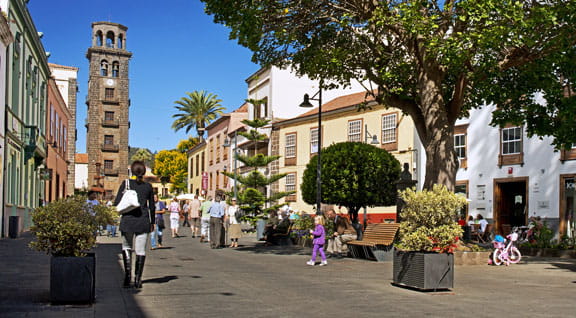
Cities and towns in Tenerife
Tenerife is divided into three areas – the Northern area, the Southern area and the Metropolitan area – which include a total of 31 municipalities. Two of the three most populated cities in the Canary Islands are in Tenerife: Santa Cruz de Tenerife, the capital of the island; and San Cristóbal de La Laguna. From the largest city to the smallest hamlet, each town has its own local council, traditions and typical landscape.
We answer to your frequently asked questions
Everything you need to know about towns and villages in Tenerife
How many towns and villages are there in Tenerife?
Tenerife has 31 towns and villages, spread across different parts of the island, from coastal tourist areas to inland villages and mountainous surroundings. Each town or village has its own identity, landscape and local character. Some are known for their beaches and tourism, others for their historic centres, rural traditions or natural environments linked to volcanic landscapes and protected areas. This diversity of towns and villages is one of the reasons why Tenerife offers very different experiences within relatively short distances.
What are the main towns and villages of Tenerife?
Among the best-known towns and villages in Tenerife are Santa Cruz de Tenerife, San Cristóbal de La Laguna, Puerto de la Cruz, Arona, Adeje and La Orotava. These are generally considered among the most important owing to their population, services, historical significance or tourist activity. Together, they represent different facets of the island: urban life, heritage, coastline, leisure and natural landscapes.
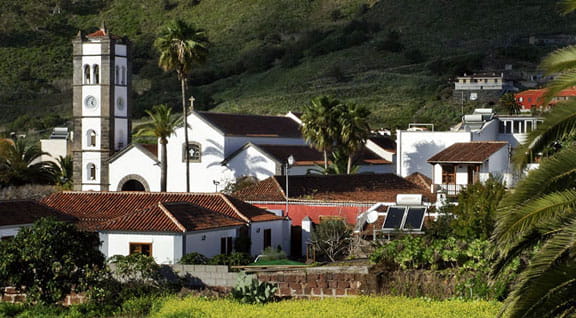
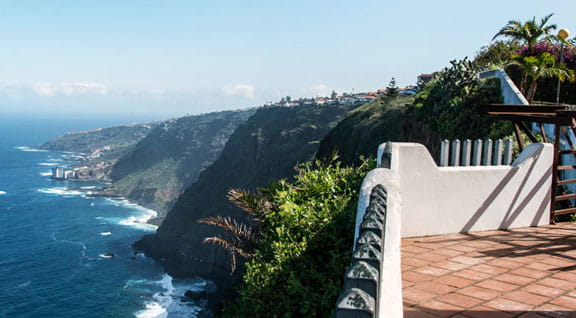
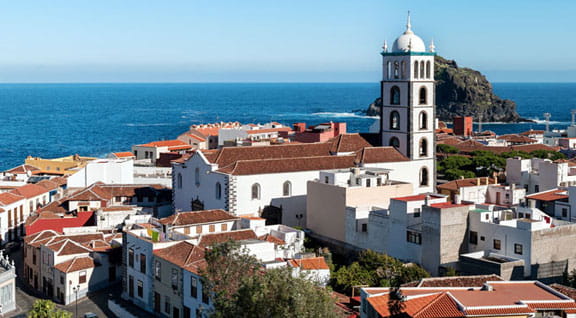
- In the north of Tenerife, towns such as Los Realejos, Icod de los Vinos and Garachico stand out, in an area characterised by green landscapes, historic centres, agricultural zones and traditional villages. It is also where many visitors discover some of the most picturesque villages and viewpoints in Tenerife.
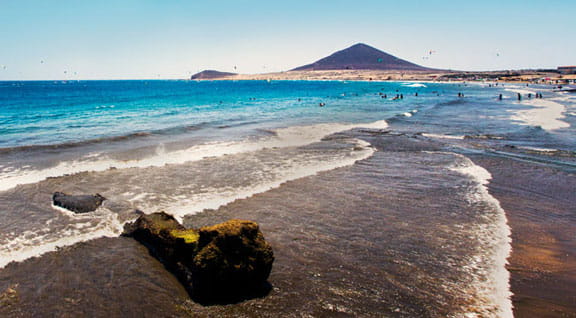
- In the south, towns such as Granadilla de Abona, San Miguel de Abona and Guía de Isora are prominent. This part of the island is known for its sunnier climate, its large tourist areas, its beaches and its holiday infrastructure, although it also retains traditional inland villages and volcanic landscapes.
What is the largest town in Tenerife?
The largest municipality in Tenerife by area is La Orotava, covering approximately 218 km². Its territory extends from the coast up to the high mountain zones and includes part of the slopes leading to Teide National Park, which gives it one of the most varied landscapes on the island. This extensive territory means that within a single municipality you can find agricultural areas, woodland, ravines, protected natural spaces and a historic centre of great heritage value. Furthermore, its position in the north of Tenerife means it combines views of the ocean with a strong presence of vegetation and a close relationship with the Valle de La Orotava, one of the most recognisable settings on the island.
Which towns and villages in Tenerife have the best climate?
The climate varies considerably between towns and villages owing to the orientation of each area, altitude and the influence of the trade winds. In general, the south of Tenerife tends to record more hours of sunshine, lower humidity and more stable temperatures for much of the year, particularly in towns such as Adeje or Arona. In the north, towns such as Puerto de la Cruz or La Orotava have a more humid atmosphere and abundant vegetation, with equally mild temperatures but a greater tendency towards cloud cover at certain times of year.
Which towns and villages in Tenerife are recommended for a stay?
The choice of town or village depends on the type of trip one wishes to make. Those looking for beaches, leisure, shopping and a wide range of hotels tend to opt for southern towns such as Adeje or Arona, where much of the island's tourist infrastructure is concentrated. For those who prefer a quieter, more historic atmosphere or proximity to green landscapes, northern towns such as Puerto de la Cruz or La Orotava are very popular choices. There are also smaller towns and villages suited to those seeking a more local or rural experience.
Which pretty villages are worth visiting in Tenerife?
Among the villages that most often stand out for their scenic, historical or architectural value are Garachico, Vilaflor, Buenavista del Norte and Icod de los Vinos. Many retain traditional streets, peaceful squares, historic buildings and a very direct relationship with the volcanic, agricultural or coastal landscape that characterises different parts of Tenerife. In some cases they stand out for their well-preserved historic centres, in others for their proximity to natural spaces, viewpoints or farming areas that form part of the local identity. Exploring these villages allows you to discover a part of the island where the pace of life is slower and where architecture, the natural surroundings and traditions remain very much a part of everyday life.
Is it easy to travel between towns and villages in Tenerife?
Yes, one of the advantages of Tenerife is that many towns and villages are connected by road within relatively short journey times, making it possible to cover several areas of the island in a single day.
- The main roads, such as the TF-5 in the north and the TF-1 in the south, provide quick connections between the metropolitan area, tourist zones and numerous coastal towns. Many secondary roads also make it easier to reach inland towns, mid-altitude areas or rural zones, where the landscape changes within just a few kilometres.
- In addition to the car, Tenerife has a guagua (bus) network operated by TITSA, which provides regular services to a large proportion of the island's towns and villages. Inter-urban lines connect major towns such as Santa Cruz de Tenerife, Puerto de la Cruz and Adeje, whilst other routes reach smaller towns or areas of tourist interest.
- Taxi services, tourist transport and organised excursions are also available, particularly in areas with greater tourist activity, making it easy to combine urban, natural and coastal visits throughout the trip.
Which towns and villages in Tenerife have the most tourist activity?
The towns with the greatest tourist activity are generally Adeje, Arona, Puerto de la Cruz and Santa Cruz de Tenerife. They concentrate a large share of the island's hotel offering, beaches, shopping areas, leisure and dining. Each offers a distinct experience: Adeje and Arona stand out for their large coastal tourist areas and extensive holiday infrastructure; Puerto de la Cruz combines tourist tradition, gardens and coastal promenades; and Santa Cruz de Tenerife brings together urban, cultural and commercial activity throughout the year. This diversity allows visitors to choose between settings more oriented towards relaxation, leisure, urban life or a combination of several types of visit within the same island.
Which towns and villages in Tenerife are most worthwhile for a first visit?
For a first visit, cities such as Santa Cruz de Tenerife, San Cristóbal de La Laguna, Puerto de la Cruz and La Orotava are usually recommended, as they allow visitors to discover different facets of the island on relatively short itineraries. Each offers a different experience: from the urban and commercial activity of Santa Cruz, to the historic heritage of La Laguna, the relationship with the sea in Puerto de la Cruz or the traditional architecture and natural surroundings of La Orotava. These cities are often complemented by villages such as Garachico, Icod de los Vinos or Vilaflor, which offer a glimpse of a more unhurried Tenerife, connected to historic centres, rural landscapes and local traditions. This is why many multi-day itineraries combine towns and villages to gain a more complete picture of the island.
Which towns and villages in Tenerife have the most nightlife?
The greatest concentration of nightlife in Tenerife is found in southern towns such as Arona and Adeje, where some of the island's most active nocturnal areas are located, particularly in coastal tourist zones. In these areas it is common to find bars, terraces, live music venues, nightclubs and entertainment spaces open until late, with an offering very much geared towards the international visitor. Santa Cruz de Tenerife also has a lively nocturnal scene, particularly at weekends, with options more closely linked to urban leisure, dining and establishments frequented by residents. In the north, Puerto de la Cruz offers a more relaxed nightlife, combining bars, terraces and spaces for an evening stroll in a more laid-back setting.
Which towns and villages in Tenerife are most recommended for a family holiday?
For a family holiday, towns such as Adeje, Arona, Puerto de la Cruz and La Orotava are usually recommended, as they combine a good range of accommodation, services, spaces for walking and activities suited to different travel rhythms. In the south, Adeje and Arona stand out for their accessible beaches, pedestrian areas, family-friendly leisure and extensive tourist infrastructure. In the north, Puerto de la Cruz and La Orotava offer a quieter atmosphere, with gardens, urban promenades, cultural spaces and easy access to other places of interest on the island. The choice depends on the type of holiday: beach and leisure in the south, or a more relaxed and verdant setting in the north, with relatively short journeys between towns.
Which municipalities in Tenerife have a beach?
Several towns and villages in Tenerife have urban beaches or beaches situated very close to their main centres, making it easy to combine an urban stroll, dining and time by the sea in a single visit. Among the best known is Santa Cruz de Tenerife, which has easy access to Playa de Las Teresitas, one of the most popular beaches in the metropolitan area. In the north, Puerto de la Cruz combines its urban setting with coastal areas, natural rock pools and seafront promenades. In the south, Adeje and Arona stand out, where several beaches form part of the tourist environment and the main accommodation areas. The relationship between town and beach varies by area: some combine an urban atmosphere with a very nearby coastline, whilst others integrate beaches within tourist zones or seafront promenades that form part of everyday local life.
Does each town and village in Tenerife celebrate its own festivals?
Yes, each town and village maintains its own local festivals throughout the year, many of them linked to religious traditions, popular celebrations and cultural activities that form part of the identity of each part of the island. These festivals typically include romerías, musical events, local gastronomy, fairs and neighbourhood gatherings. Among the best known are the Santa Cruz de Tenerife Carnival, the Corpus Christi celebrations in La Orotava, famous for their floral carpets, and the Romería de San Roque in Garachico. Many towns and villages also hold patron saint festivals with strong local participation, where it is common to find processions, traditional music, typical local produce and activities open to the public. In many cases these form part of Tenerife's most representative cultural calendar and offer a wonderful opportunity to discover deeply rooted traditions in each town and village.