
San Antonio de Padua Church
This church in the village of El Tanque Bajo originated from a chapel that was built in the 16th century but was destroyed by the eruption of the…
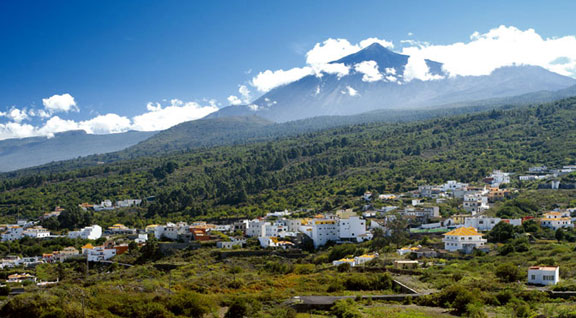
Despite being just a small municipality in the region of Isla Baja in north-western Tenerife, El Tanque has many hidden wonders. Among those treasures are its nature areas and buildings such as the Church of San Antonio de Padua.
The municipality of El Tanque lies in the north-west of Tenerife in the region of Icod-Daute-Isla Baja. Surrounding its 23.65 km2 (9.13 sq. miles) are Santiago del Teide, Garachico and Los Silos. Its historic quarter, particularly the area of El Tanque Bajo, conceals a wealth of 16th century architectural heritage. The name of the municipality (meaning The Tank) suggests that there was once a dam or tank there supplying water to Garachico.
The Church of San Pedro de Daute was built nearby in the early 16th century, though it had to be rebuilt after a tongue of lava and fire destroyed it in 1706. Country tourism in El Tanque has surged in recent years thanks to its natural surroundings, which are alive with wildlife and endemic species welcoming visitors to discover its secrets. More than 60% of its land belongs to Protected Nature Areas at altitudes of 400 to 1,354 m (1,312 to 4,412 ft) above sea level, with plenty of wildlife: amphibians, reptiles and birds of prey are just some of the residents of El Tanque's woodland.
The rural and traditional charm of El Tanque envelops all of its little towns and villages. Traditional domestic architecture lines its roads and pathways, from which you will also glimpse signs of the municipality's agricultural activity. Despite the fact that El Tanque has no coast, you can see the beautiful Atlantic from its ravines and slopes, with the ever-present blue of its horizon glimmering through the vegetation.
El Tanque is located in the north-west of Tenerife, between the municipalities of Garachico, Los Silos and Santiago del Teide. It is one of the less populated municipalities on the island, known for its rural surroundings, volcanic landscapes, and tranquil atmosphere, away from the busiest tourist areas.
Getting to El Tanque is straightforward:
Key sights in El Tanque include:
El Tanque is ideal for leisurely walks and enjoying the scenery.
Activities in El Tanque are closely linked to nature and rural life. It is an excellent place for walking, relaxing, exploring traditional paths, and discovering the natural environment of north-west Tenerife. It also serves as a good base for visiting nearby municipalities such as Garachico and Los Silos.
Yes, hiking is one of the most recommended activities in El Tanque. The municipality has traditional paths and rural trails that traverse agricultural landscapes, volcanic areas and midlands, with sections offering open views of the north-west coast. Many routes also connect with trails in nearby municipalities like Garachico and Los Silos, making it a good area for calm walks and for discovering a lesser-known Tenerife, especially for nature and rural landscape enthusiasts.
The climate in El Tanque is mild year-round. Being located in the midlands, it is usually cooler than the coast, with temperate winters and pleasant summers, ideal for outdoor activities. Average temperatures generally range from 14–16 °C in winter to 22–26 °C in summer, with variations depending on altitude and season. These conditions make it comfortable to visit in any season.
In El Tanque, you can find bars and restaurants serving traditional Canarian cuisine, with dishes prepared from local products. The options are typically simple and homemade, perfect for those seeking authentic gastronomy in a rural setting.
Accommodation mainly consists of rural houses and holiday homes, designed for travellers seeking peace, contact with nature, and a stay away from mass tourism.
El Tanque’s festivals are linked to local traditions and its patron saint celebrations, including religious acts, cultural activities and popular events reflecting the municipality’s close-knit character. Dates may vary each year, so it is advisable to check in advance before visiting.