Services
- Fully walkable for people with reduced mobility as it has ramps and a lift.
- Food truck inside the garden.
- Guide service in several languages to visit the garden and learn its secrets.
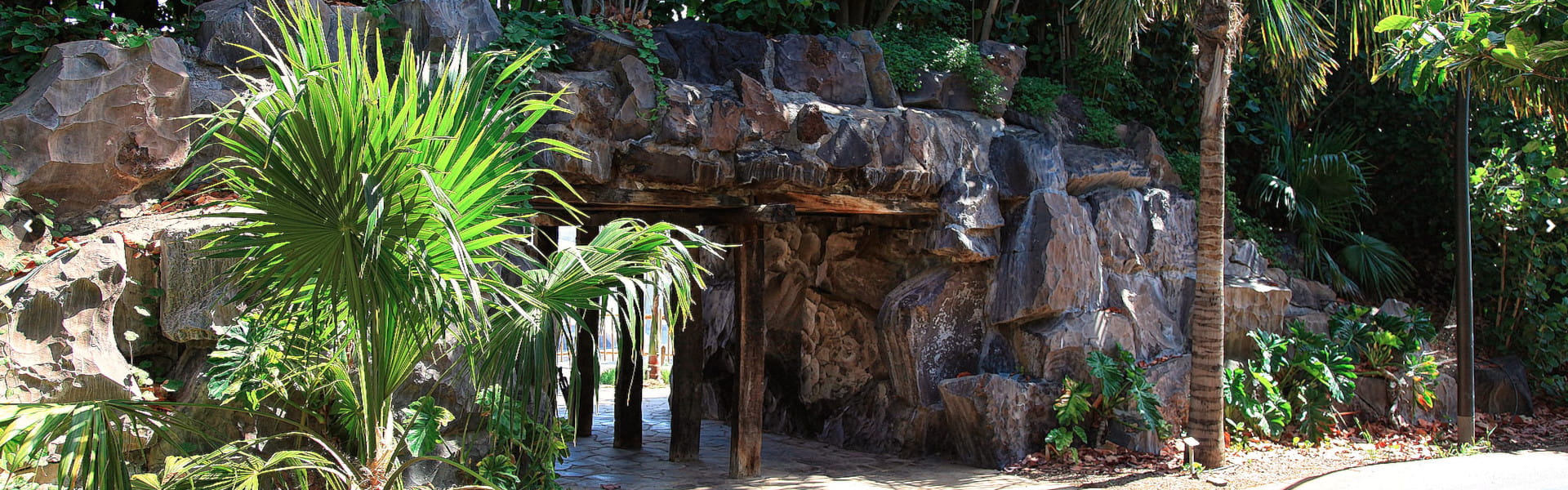
The Santa Cruz Palmetum constitutes a unique project, which has transformed a rubbish tip into a space for leisure and botanical culture. In the gardens, there is the best collection of palm trees in Europe, and one of the best in the world.
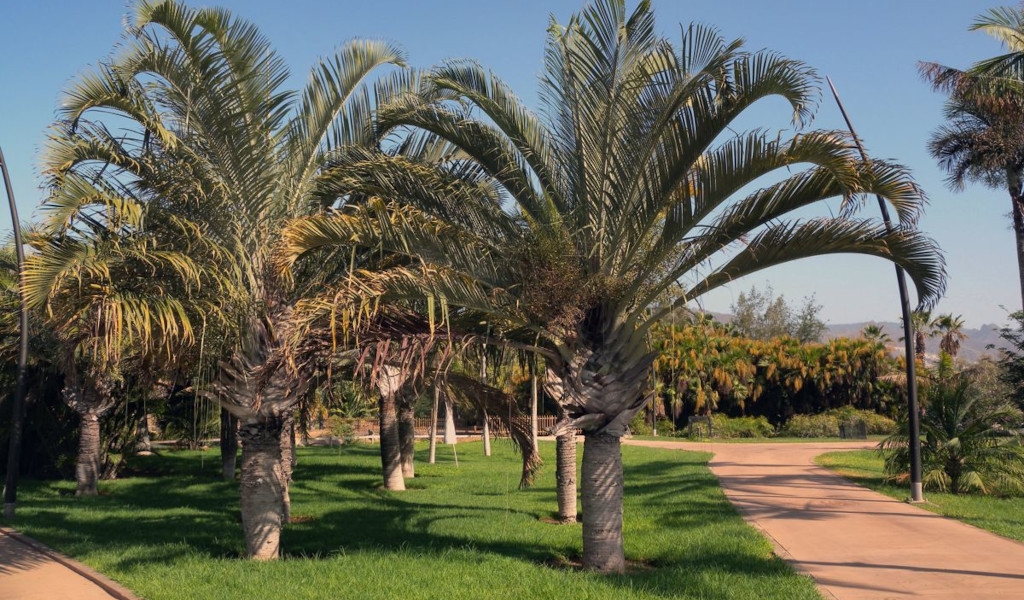
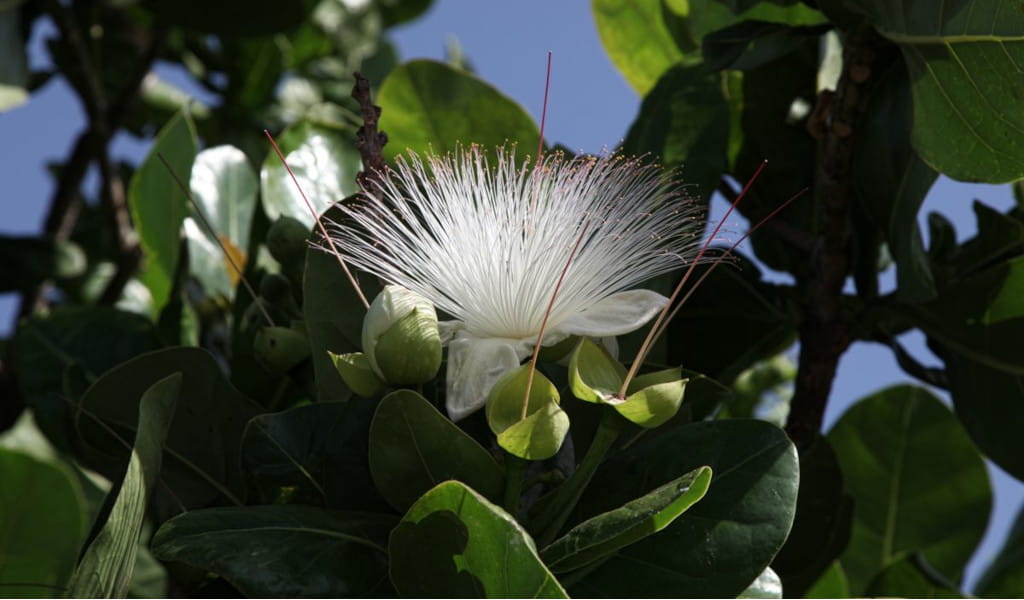
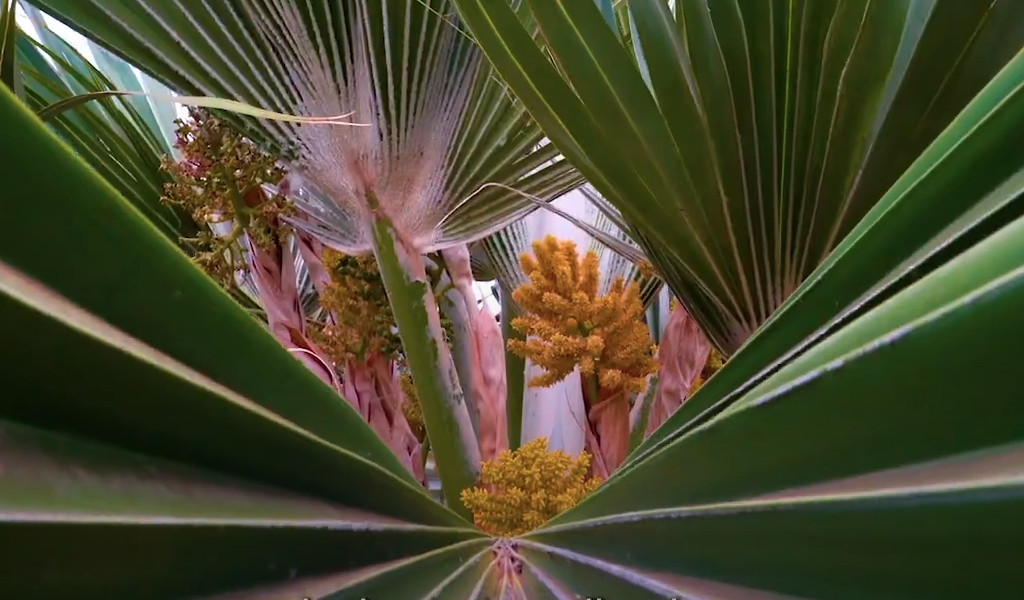
With over 2000 species of plants from tropical and sub-tropical climates, the botanical family of the palms is the best represented in the collection with over 500 species arranged throughout the park according to their geographical origin. On the tour, the visitor will visit such exotic locations as the Caribbean, Madagascar, Africa and Australia.
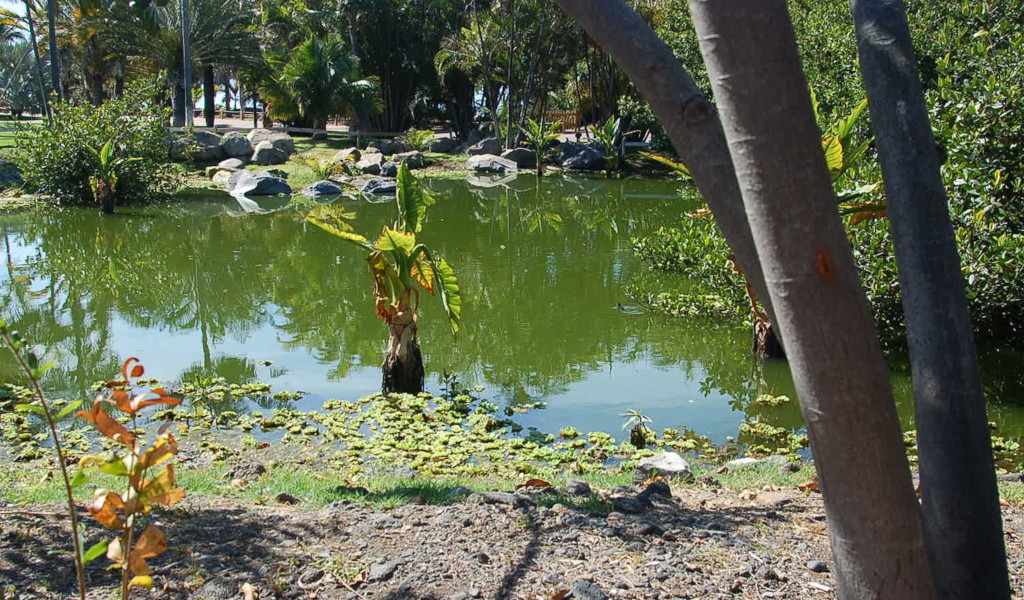
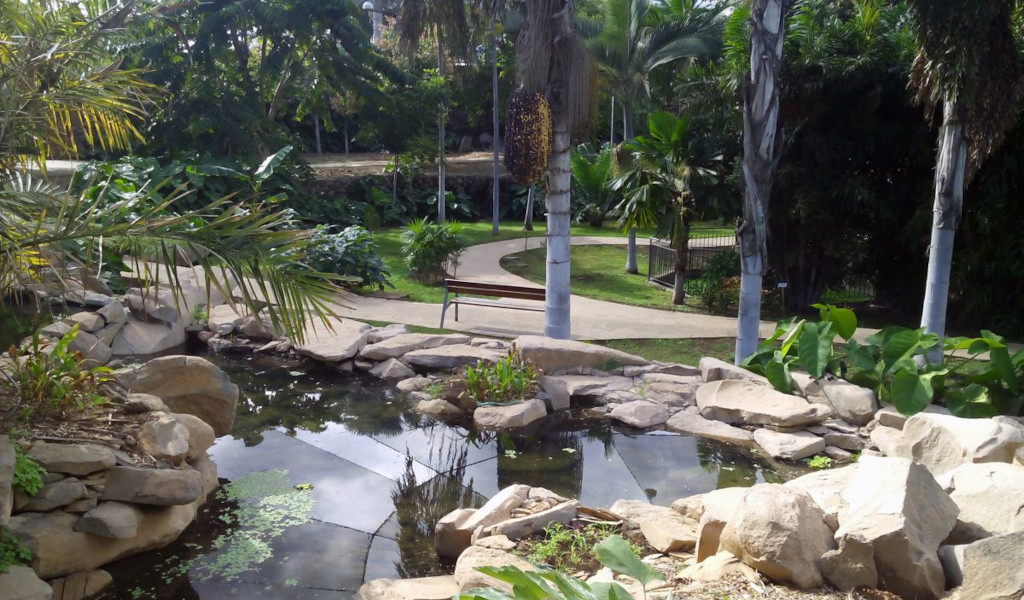
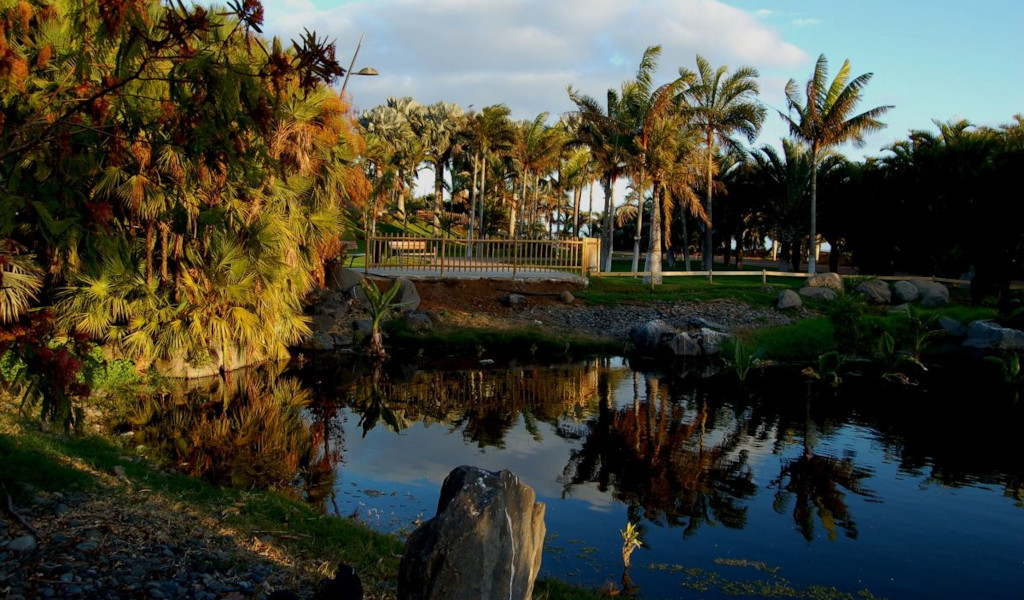
The Santa Cruz Palmetum is more than a reclaimed rubbish dump and is also greater than a botanical garden with significant plants: it has splendid landscapes, with stupendous views of the sea and the city, waterfalls, lakes and streams which make this a unique spot.
For the last few years, the Palmetum has been the best location for bird watching in the city of Santa Cruz. Year after year, the mountain has been colonised by a multitude of species which have made this spot their new home.
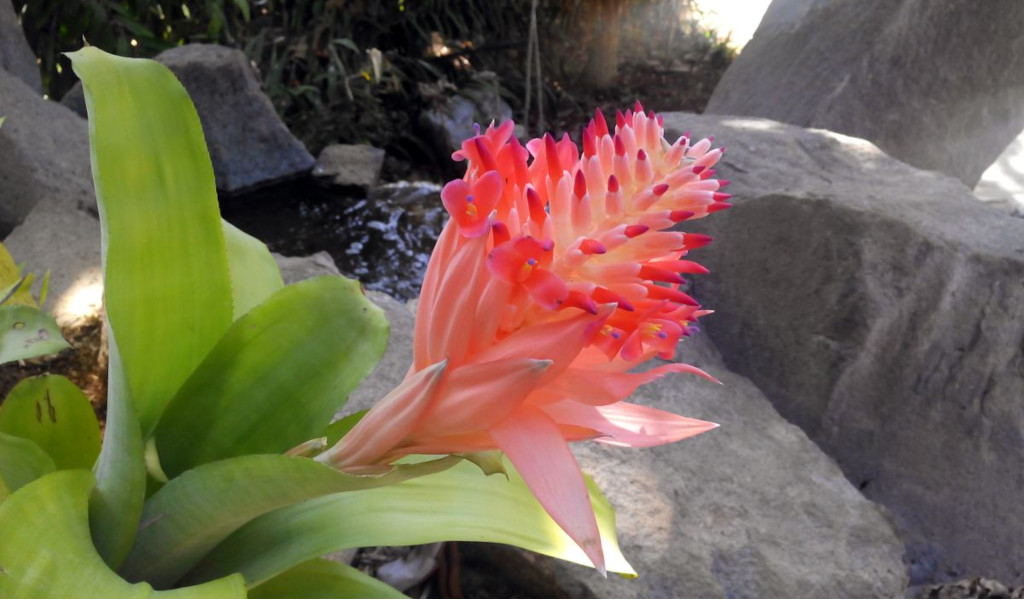
The Palmetum is a 12-hectare botanical garden specialising in palm trees. It is located on an artificial hill beside the ocean and is a remarkable example of environmental restoration, as it occupies the site of a former municipal landfill. Its gardens contain nearly 3,000 species of tropical and subtropical plants, including more than 600 species of palm. The collection is organised by geographical region, so during the visit you can pass through environments inspired by the Caribbean, Madagascar, New Caledonia, Australia, Asia and the Pacific islands. In addition to palm trees, you will find ficus trees, baobabs, mangroves, frangipani, breadfruit trees, bromeliads and other unusual species. Some plants flower at particular times of year, so the appearance and colours of the garden change from one visit to another. The route includes lakes, streams, waterfalls, volcanic rocks, shaded areas and viewpoints overlooking the ocean, Santa Cruz and the Anaga Mountains. The Palmetum has also naturally become a habitat for birds, butterflies, dragonflies and amphibians. It is not a zoo, and its animals live freely within the grounds.
The Palmetum stands on the former municipal landfill of Santa Cruz, which was closed after the accumulation of waste formed an artificial hill approximately 40 metres high. For years, the area remained almost entirely without vegetation and exposed to wind and sea spray. At the beginning of the 1990s, a proposal began to take shape to transform it into a botanical garden specialising in palm trees. Work began in 1996 and included covering the waste, installing gas extraction systems, creating paths and planting species obtained through collaborations with botanical gardens in different countries. The project went through several stages of construction, suspension and restoration. The plantings gradually created an established landscape while lakes, waterfalls, viewpoints, biogeographical sections and the entrance building were added. The Palmetum finally opened to the public in 2014. Its history is an essential part of the visit, as it demonstrates how degraded land can be transformed into a space devoted to conservation, environmental education and biodiversity.
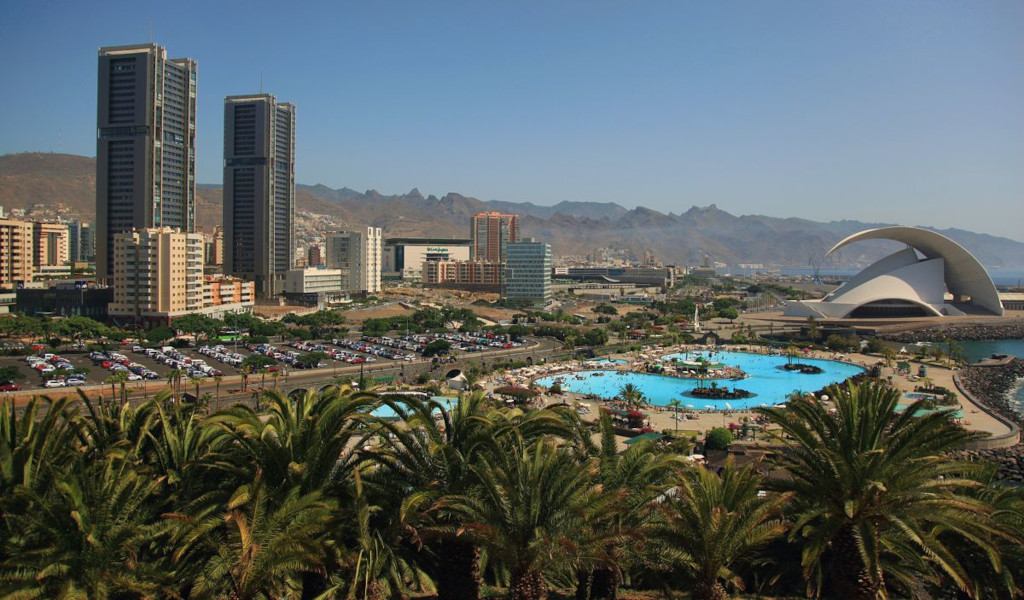
The Palmetum is located on Avenida de la Constitución, in the Cabo Llanos area of Santa Cruz de Tenerife. It stands opposite the César Manrique Maritime Park and very close to the Tenerife Auditorium, the Exhibition Centre and the Santa Cruz Transport Interchange. From the city centre, you can walk for 2 kilometres (1.3 miles) there along Avenida Marítima. By tram, take Line 1 and get off at the Intercambiador stop. From there, continue on foot along Avenida de la Constitución until you reach the garden entrance. You can also travel by guagua, or bus, to the Santa Cruz Transport Interchange. Some of the most useful routes include the 014, which connects Santa Cruz with La Laguna via La Cuesta; the 102, which arrives from Puerto de la Cruz; the 110, which connects the capital with Costa Adeje; and the 910, which connects with San Andrés and Las Teresitas beach. From the interchange, you can complete the journey on foot. If you are travelling from another municipality, look for a route terminating at the Santa Cruz Transport Interchange and continue on foot or by tram to this station. As routes, frequencies and stops may be altered because of roadworks, celebrations or events, it is advisable to check TITSA’s journey planner and service notices before setting out. If you prefer to travel by car, access is straightforward from the main roads into Santa Cruz. There are parking areas around the Palmetum, the Maritime Park and the Exhibition Centre, although availability may be reduced during concerts, fairs and other events. Thanks to its location, you can combine your visit with the Tenerife Auditorium, the César Manrique Maritime Park or a walk along Avenida Marítima. Before visiting, check the garden’s opening hours and allow enough time to complete the route.
There is a large parking area beside the Palmetum and the Maritime Park. However, spaces are not guaranteed and availability may be reduced at weekends or during concerts, festivals, fairs and other events held nearby. The adjacent car park is also used as a venue for large-scale events. On these occasions, closures, access restrictions or changes to traffic arrangements may apply, so it is advisable to check municipal notices before travelling. Always check the signs and conditions in force on the day before parking. The parking area should not be described as permanently free without first confirming the current regulations.
The Palmetum is open every day, including Sundays and public holidays, from 10.00 am to 6.00 pm. The last admission is at 5.00 pm, although it is advisable to arrive considerably earlier to complete the route without rushing. The first part of the morning is usually a good time to walk in milder temperatures, enjoy a quieter atmosphere and observe birds more easily. The light is also less intense and allows you to appreciate the details of the plants and waterfalls more clearly. The final hours of the afternoon provide warmer light for photographing the garden and the ocean views. However, you must bear the last admission time in mind and allow enough time to return to the exit before closing. As it is an outdoor garden, it is advisable to bring sun protection, water and comfortable footwear. On particularly windy or hot days, check the weather conditions and adjust the pace of your visit.
The current official admission price for a non-resident adult is €6, while admission for a non-resident child costs €2.80. The price for adult residents of the Canary Islands is €3, while certain categories of residents can enter for €1.50. Children under the age of three enter free of charge. Reduced prices are available for residents over the age of 65, children under 12, large families and people with disabilities. To receive these reductions, visitors must present a document proving their eligibility. Tickets can be purchased online or directly from the ticket office, subject to availability. General admission does not include a guide service. As prices and conditions may change, it is advisable to check them before visiting, particularly if you wish to receive a discount or make a group booking.
As a guide, you should allow between one and a half and two hours to explore the main sections of the Palmetum at a relaxed pace. This gives you time to view the collections, walk through the Octagon, stop at the lakes and waterfalls and enjoy the viewpoints. A shorter visit can focus on the main environments by following the suggested routes on the official map. Those who wish to read the botanical labels, photograph the plants or spend time birdwatching may need between two and three hours. Standard guided tours last approximately one hour, while inclusive routes generally take around an hour and a half. These times are for guidance, but a self-guided visit can be adapted to each visitor’s pace and interests.
Yes. The Palmetum offers a guide service for groups, providing information about the history of the former landfill, the geographical sections and some of the most representative species. The standard guided tour lasts approximately one hour and must be requested by email at least 15 days in advance. The current official cost of a guide is €70 for groups of fewer than 30 people and is not included in the admission price. Before confirming, it is advisable to check the conditions, the languages available and the final number of participants. For personal photography, some of the best opportunities are usually found at the viewpoints, lakes, Octagon and Caribbean and Madagascar sections. Morning light is more even, while towards the end of the afternoon you can capture warmer images of the garden and ocean. You must remain on the paths at all times and avoid touching plants, collecting seeds or disturbing the animals. Organised or professional photo shoots, or photography for purposes other than an ordinary visit, require permission from the management and payment of the corresponding fee.
Yes. The Palmetum is very suitable for families, particularly children interested in plants, animals and nature. The route allows visitors to discover palm trees from different parts of the world, tropical trees, flowers, lakes, waterfalls and viewpoints, making it more dynamic than a conventional botanical visit. During the walk, you may also see birds, butterflies, dragonflies and other animals that live freely within the garden. One entertaining way to explore it is to encourage children to identify plants with different shapes, look for particular fruits or colours and discover the regions of the world represented in each section. For families with young children, it is advisable to follow a shorter route and stop in the areas that attract the most interest. Bring water, sun protection, a hat and comfortable footwear, as much of the visit takes place outdoors and some sections are on a slope. Children must remain accompanied and respect the paths, plants and wildlife. Picking leaves, flowers or seeds, entering planted areas and feeding the animals are not permitted. The Palmetum also organises educational activities related to biodiversity, botany and sustainability. If you would like to take part in a guided activity or visit with a children’s group, it is advisable to contact the garden in advance to check availability, recommended ages and booking conditions.
The garden has ramps and a lift and is described as fully accessible to people with reduced mobility. At reception, you can also ask about the conditions for hiring electric mobility vehicles, subject to availability. The Palmetum also organises inclusive visits that can adapt the route, duration and experience to the needs of the group. Some routes include tactile elements, scents and other sensory resources, and a sign-language interpretation service can be requested in advance. Although the general route is adapted, visitors’ needs may vary. It is advisable to contact the garden before visiting to ask about slopes, rest areas, vehicle hire, assistance or participation in a particular activity.
Yes. Educational institutions can organise visits covering subjects related to plants, island ecosystems, sustainability, biodiversity and the transformation of a degraded site. The garden provides educational materials and offers the option of requesting a guided route. To prepare the visit, the school must provide the educational level, number of participants and preferred date and time. It is advisable to make contact well in advance to confirm capacity, the applicable price, guide availability and any accessibility requirements. It is also useful to agree on the educational objectives and prepare pupils to respect the paths, plants and wildlife.
The site offers food through a food truck, although its availability and opening hours may vary. It should not be confused with a conventional restaurant that is necessarily open throughout the day. The garden’s rules do not permit picnics inside the grounds, and the water in its ponds and watercourses is not suitable for drinking. It is therefore advisable to check in advance which food service will be available during your visit. You will find other cafés and restaurants around the Auditorium, the Maritime Park and the centre of Santa Cruz. This proximity makes it possible to combine the visit with a meal before or after entering the garden.
Ordinary visits take place during daytime opening hours and end at 6.00 pm. The Palmetum therefore does not normally offer permanent night-time opening. On specific dates, it may host special activities after closing. These have included editions of Naturaleza Encendida, a night-time experience combining lighting, music and an immersive route through the vegetation. This show should not be regarded as a permanent or annual activity, so it is necessary to check the programme and purchase a separate ticket when it is scheduled. Concerts and festivals are also organised in the car park or in areas near the Palmetum. These events are separate from admission to the botanical garden and have their own opening times, entrances and conditions.
You can contact the Palmetum by telephone on +34922 229 368 or by email at info@palmetumsantacruz.com. These channels can be used for enquiries about tickets, accessibility, guided tours, school groups and special activities. It is advisable to contact the garden in advance if you wish to hire a guide, organise a group visit or confirm a particular requirement. Standard guided tours must be requested at least 15 days in advance.